
Topic guide
Treating Crow's Feet
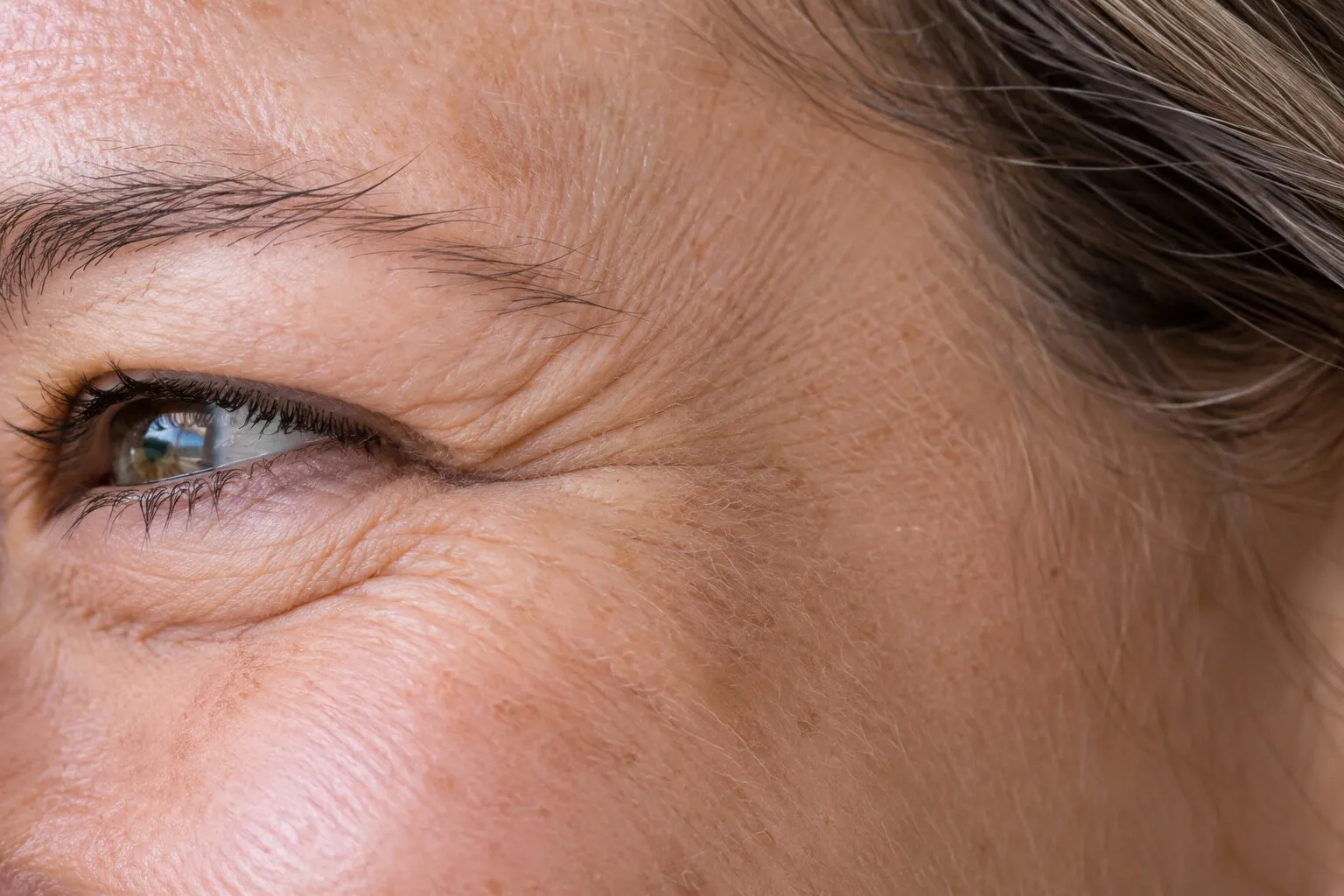
Crow's feet are the small lines at the outer corner of the eye, and the treatment that suits them depends on what kind of line they are. Cleveland Clinic explains that these small lines and wrinkles form from tiny muscles contracting in the outer corner of the eyes as people experience emotions such as laughter, stress, grief and sadness. The American Society for Dermatologic Surgery separates them into two main types: dynamic lines, which are produced by the action of the underlying muscles when frowning, smiling and squinting, and static lines, which are present at all times, even during sleep.
Timing and cause are worth knowing before any treatment is discussed. Cleveland Clinic says you may first notice crow's feet in your 30s, or not until your 40s depending on your skin care routine and genetics, and that researchers have found they tend to appear earlier and form deeper wrinkles in men than in women. The American Society for Dermatologic Surgery says crow's feet are primarily caused by sun exposure, though smoking can contribute. Cleveland Clinic adds that collagen and elastin, two proteins that help skin retain its plump, youthful appearance, naturally decrease with age, and that as they wane, fine lines such as crow's feet develop. A clinical overview of crow's feet, treatment and prevention puts these points in one place.
Three ways to treat the same lines
- Laser Resurfacing for Smile Lines at the Eyes: Follows laser resurfacing from the procedure through healing and sets out what the finished skin should look like.
- Light Peels for Eye Area Lines: Describes what a light peel does, how the first week goes and how many visits to expect.
- Neuromodulators Around the Eyes: Explains how relaxing the muscle softens the lines, how long it lasts and what to do afterward.
Matching the treatment to the line
The American Society for Dermatologic Surgery says neuromodulators are usually the preferred treatment if the crow's feet are dynamic in nature, since they relax the underlying muscle. Its guide to neuromodulators for crow's feet goes deeper on that route. Chemical peels, according to the American Society for Dermatologic Surgery, improve the appearance of crow's feet by using a chemical solution to remove the outer layer of old skin, and the new skin that replaces it is usually smoother and less wrinkled in appearance.
Ablative laser resurfacing works differently. The American Society for Dermatologic Surgery says it also heats the skin layers underneath to promote collagen production, which stimulates the treated skin to heal in a smoother, more even appearance. At home, Cleveland Clinic notes that retinol, made from vitamin A, stimulates the production of collagen and elastin.
A provider should be able to say which kind of line they see before recommending anything. If a plan is chosen before that question is answered, ask why.